












Tyres Genie affect every drive you take. Knowing the common tyre problems and how to spot them helps you avoid breakdowns, longer stops at the garage, and unsafe moments on the road. Check your tyres for uneven wear, low or high pressure, punctures, and sidewall damage you can catch most issues early with simple inspections and regular maintenance.
You’ll learn how warning signs show up, what causes tyres to wear unevenly, how tread issues change handling, and which habits shorten tyre life. Use this guide to spot problems sooner and make smarter choices about repairs, rotation, alignment, and pressure checks.
Warning Signs of Tyre Issues
Check your tyres often for strange feel, steering changes, or sudden air loss. These three warning signs vibration, pulling, and quick pressure drops point to problems that can affect safety and fuel use.
Unusual Vibrations
If you feel steady shaking through the steering wheel, seat, or floor, act quickly. Vibrations at low speeds often mean a tyre is imbalanced or a wheel weight has fallen off. At higher speeds, warped rims or uneven tyre wear are likely causes.
Inspect tyres for uneven tread wear, bulges, or foreign objects. Check wheel balance and alignment at a shop if vibration continues after a visual check. Driving long with vibration can wear suspension parts and reduce control.
Pulling to One Side
If the car drifts left or right while driving or holding the wheel straight, address it right away. Uneven tyre pressure, uneven tread wear, or poor wheel alignment commonly cause pulling. Even a single badly inflated tyre can change steering feel.
Measure pressure in all four tyres and inflate to the PSI listed on your vehicle’s placard. If pressures are equal but pulling persists, have a technician check toe, camber, and caster alignment. Fixing alignment improves tyre life and steering response.
Sudden Loss of Pressure
A rapid drop in tyre pressure can happen from punctures, sidewall damage, or a failed valve. You might see a fast deflation, hear hissing, or notice the rim sitting lower on one corner. Don’t drive far on a flat tyre it can damage the wheel and the tyre beyond repair.
If you get a sudden loss, move safely off the road, engage hazard lights, and change to a spare if you know how. If you can’t change it, call roadside help. After repair or replacement, check the repaired tyre for proper seating and verify pressure before resuming normal driving.
Common Causes of Tyre Wear
Tyre wear usually comes from three main problems: incorrect air pressure, worn suspension parts, and wheel alignment issues. Each one changes how the tyre touches the road and shortens tyre life.
Improper Inflation Levels
Too low or too high tyre pressure changes the contact patch between tyre and road. Underinflation makes the outer edges of the tread wear faster, raises rolling resistance, and can cause overheating. Overinflation wears the centre tread more quickly and reduces grip on wet roads.
Check pressure at least once a month and before long trips. Use a reliable gauge and adjust pressure when tyres are cold. Follow the PSI listed on your driver’s door sticker or owner’s manual, not the tyre sidewall.
Keep a small pressure log. Note pressure, temperature, and load (passengers/luggage). That helps spot slow leaks or seasonal pressure changes.
Worn Suspension Components
Worn shocks, struts, ball joints, or bushings let the wheel move too much during driving. That causes uneven patches of wear cupping, feathering, or inner-edge wear because the tyre loses steady contact with the road.
Listen for clunks or rattles and watch for a bouncy ride or the car pulling to one side. Have a mechanic inspect suspension if you see those signs. Replacing worn parts restores correct tyre contact and improves handling.
Regular suspension checks at service intervals prevent bigger tyre damage. If you replace suspension parts, get a wheel alignment afterward to prevent immediate uneven wear.
Misaligned Wheels
Wheel misalignment changes the tyre’s toe, camber, or caster angles. This leads to rapid, uneven wear: inner-edge wear from negative camber, outer-edge wear from positive camber, and feathered tread from incorrect toe settings.
You’ll notice steering pull, a crooked steering wheel at straight-ahead, or uneven wear patterns on tyres. Get an alignment after hitting a curb, after suspension work, or if you see steering or wear issues.
Professional alignments use specs from your vehicle maker. Ask the shop to print the before-and-after readings so you can confirm toe and camber are within spec.
Tread Problems and Their Effects
Tread issues change how your car grips the road, how it handles, and how long the tyre lasts. You need to spot uneven wear, low tread depth, and tread separation early to avoid loss of control, poor braking, and costly replacement.
Uneven Tread Wear Patterns
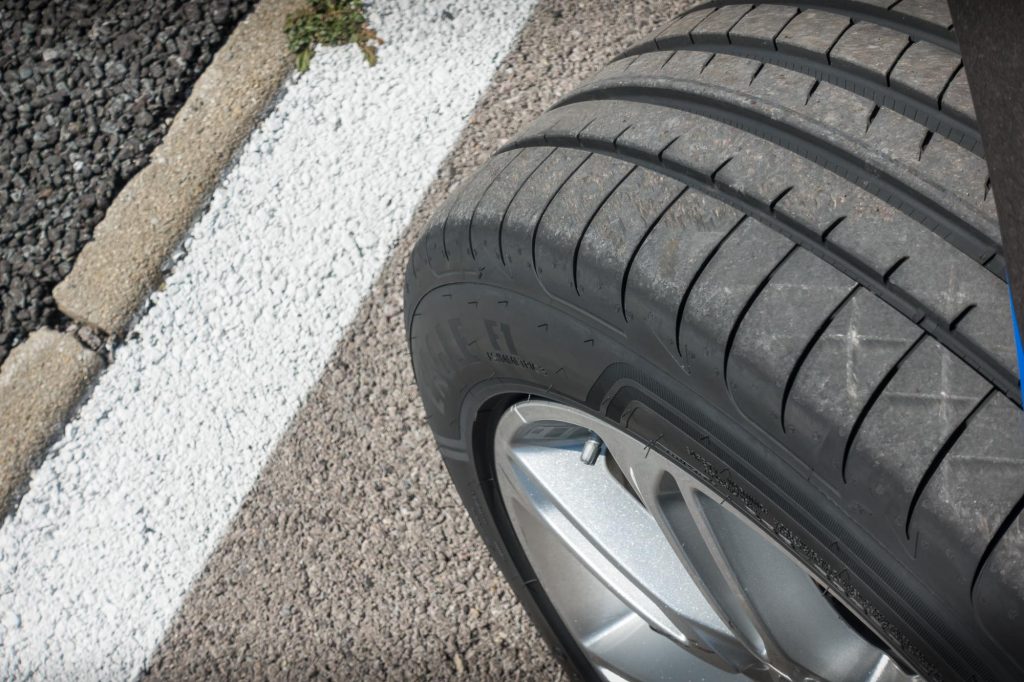
Uneven wear can take many forms: feathering, cupping, inner- or outer-edge wear, and center wear. Feathering shows a saw-tooth edge across the tread and often points to misaligned toe settings. Cupping looks like scalloped dips and usually means worn shocks or suspension parts.
Inner- or outer-edge wear comes from bad wheel alignment or incorrect camber. Center wear occurs when you overinflate the tyre; the middle wears faster than the shoulders. Each pattern tells you a specific fault, so inspect tyres visually every month.
Fixes include checking and correcting wheel alignment, replacing worn suspension parts, rotating tyres to even out wear, and setting the correct tyre pressure. Use a tread depth gauge and document patterns so a mechanic can diagnose the root cause quickly.
Low Tread Depth
Low tread depth reduces traction, especially in wet conditions, and increases stopping distance. UK and many other places set legal minimum tread at 1.6 mm across the central three-quarters; however, performance drops well before that. Aim to replace tyres at 3 mm for wet-weather safety.
You can check depth with a gauge or simple coin tests where available. Also inspect wear bars molded into the tread; when the tread sits level with these bars, replacement is due. Replace tyres in pairs on the same axle to preserve balanced handling.
Driving on low-tread tyres increases the risk of hydroplaning and longer braking distances. If you frequently drive in rain or at high speeds, prioritize higher tread depth and consider tyres with deeper grooves or better wet-grip ratings.
Tread Separation
Tread separation happens when the tread belt detaches from the tyre carcass. You might notice bulges, vibrations, or chunks of tread missing. Common causes include impact damage from potholes, sidewall cuts, manufacturing faults, or severe age-related degradation.
Do not drive on a tyre showing signs of separation. It can fail suddenly and cause loss of control. Stop, replace the tyre, and inspect the wheel and tyre for rim damage or embedded objects.
Prevent separation by avoiding hard impacts, keeping correct pressure, and replacing tyres that are old, cracked, or previously repaired multiple times. Regular visual checks and professional inspections after shocks can catch early signs before a dangerous failure.
Damage and Deterioration Factors
Tyre damage comes from impacts, age, and sharp objects. You need to check the sidewall, tread, and rubber condition regularly to spot problems early.
Sidewall Bulges and Cracks
A bulge or bubble on the sidewall means internal cords or the tyre carcass have failed. If you see a raised area, do not drive on that tyre; it can blow out without warning. Bulges usually come from hitting potholes, kerbs, or road debris hard enough to break the internal structure.
Cracks in the sidewall can be small or long and may show between the tread and rim or along the bead. Surface cracks from sun and ozone are common on older tyres, but deep cracks that expose cords require immediate replacement. Always inspect the sidewall for cuts as well; a deep cut near the bead or shoulder also makes the tyre unsafe.
Punctures and Embedded Objects
Small nails or screws in the tread may cause slow leaks but can sometimes be repaired if they are within the central 3/4 of the tread. You must not try to repair punctures in the shoulder or sidewall repairs there are unsafe and often illegal. Remove the object only at a tyre shop so they can inspect and patch or plug correctly.
Check tyre pressure often; a sudden drop usually means a puncture or a leaking valve. If you find embedded objects, mark the spot and have a professional evaluate whether a plug/patch or full replacement is needed. Temporary fixes like aerosol sealants can help you reach a garage, but they are not permanent repairs.
Tyre Aging and Dry Rot
Rubber hardens and breaks down over time even if the tread looks fine. You should check manufacture dates on the sidewall (DOT code) and consider replacement after six years, with strong consideration at ten years depending on use and storage. Heat, sunlight, and ozone accelerate aging.
Dry rot shows as small surface cracks across the tread and sidewall and causes loss of elasticity and strength. Tyres with dry rot can fail under load or at speed. If you see cracking across the tread or the sidewall rubber flakes away, replace the tyre rather than risk a structural failure.
How Maintenance Habits Impact Longevity
Regular checks and timely maintenance keep your tyres safer and last longer. Small actions like checking pressure, tread depth, and wear patterns prevent bigger problems and save money.
Neglecting Regular Inspections
If you skip visual checks, you miss slow air leaks, cuts, bulges, or uneven tread wear. Low pressure increases heat and wear across the edges, while overinflation wears the center. Both reduce tread life and can cause handling problems.
Check tyre pressure at least once a month and before long trips, using a calibrated gauge when tyres are cold. Inspect tread depth with a tread gauge or the penny test and look for sidewall cracks or embedded objects. Record readings so you spot trends. Catching a small nail or a developing bulge early often avoids a blowout or premature replacement.
Skipping Tyre Rotations
Driving without regular rotations concentrates wear on the same tyres, especially on front-wheel-drive cars where front tyres wear faster. This leads to uneven tread depth, reduced grip, and the need to replace tyres sooner.
Rotate tyres every 5,000 7,500 miles or follow your vehicle’s schedule. Use the rotation pattern recommended for your tyre type and wheel setup. When you rotate, also check alignment and balance. Rotation evens wear, improves handling, and helps you get closer to the tyre’s full expected mileage.
FAQs
1. What are the most common tyre problems?
Low pressure, punctures, uneven wear, sidewall damage, and tyre bulges are the most common issues.
2. How do I know if my tyres need replacing?
Replace them if the tread is worn, there are cracks, bulges, or they keep losing air.
3. What causes uneven tyre wear?
Incorrect tyre pressure, poor wheel alignment, and unbalanced wheels are the main causes.
4. Is it safe to drive with a punctured tyre?
No. Driving on a punctured tyre can cause further damage and increase the risk of a blowout.
5. How can I prevent tyre problems?
Check tyre pressure regularly, rotate your tyres, keep wheels aligned, and inspect tyres for damage.