













It is a frustrating moment. You get into your car, turn the key, and nothing happens. Instead of the engine starting, you are left with silence. A dead battery can disrupt your entire day, especially when you are in a hurry. The important thing to understand is that batteries rarely fail without a reason.
When you know what causes a battery to drain, you can prevent most problems before they happen. With a little awareness and regular care, you can avoid being stranded and keep your vehicle reliable at all times.
The Most Common Causes Behind Sudden Car Battery Failure
A car battery can fail due to several reasons. Sometimes it is a simple mistake, and other times it is a deeper mechanical issue. Your driving habits, weather conditions, and the condition of your car’s electrical system all play an important role.
Understanding these causes will help you take action early and avoid unexpected breakdowns.
Leaving Lights On
One of the most common reasons for a dead battery is leaving the lights on. This can include headlights, interior lights, or even smaller lights inside the car like those in the glove box or boot. When the engine is off, the battery continues to supply power to these lights. Over time, this drains the battery completely.
Even though many modern cars have automatic shut-off systems, this problem still happens, especially in older vehicles. A simple habit of checking your lights before leaving the car can save you from unnecessary trouble.
Extreme Weather Conditions
Weather has a strong effect on battery performance. High temperatures can be especially damaging because they cause the battery fluid to evaporate. This weakens the internal components and reduces the battery’s lifespan.
Cold weather creates a different challenge. It slows down the chemical reactions inside the battery, making it harder to deliver enough power to start the engine. This is why many batteries fail during winter mornings.
Parking in shaded areas during summer and checking your battery before winter can make a big difference in preventing failure.
Loose or Corroded Battery Connections
The battery terminals are critical for proper power flow. If they become loose or develop corrosion, the electrical connection weakens. Corrosion often appears as a white or greenish substance around the terminals, and it can block the flow of electricity.
When this happens, your car may struggle to start or may not start at all. In some cases, it can also affect other electrical components. Regular inspection and cleaning of the terminals can prevent this issue and keep your battery working efficiently.
Faulty Alternator
The alternator is responsible for charging the battery while the engine is running. If the alternator is not working properly, the battery will not recharge. Instead, it will continue to lose power until it is completely drained.
This problem can be confusing because the car may start normally at first but then stop while driving. You may also notice dim headlights or warning lights on the dashboard. Ignoring a faulty alternator can lead to repeated battery failures, so it is important to get it checked as soon as possible.
Frequent Short Trips
Short trips may seem harmless, but they can slowly damage your battery. Starting the engine requires a significant amount of power, and the alternator needs time to recharge the battery. If your drives are too short, the battery does not get fully recharged.
Over time, this leads to a gradual loss of power and eventually causes the battery to fail. Taking your car for a longer drive at least once a week helps maintain proper battery charge and extends its life.
Parasitic Electrical Drain
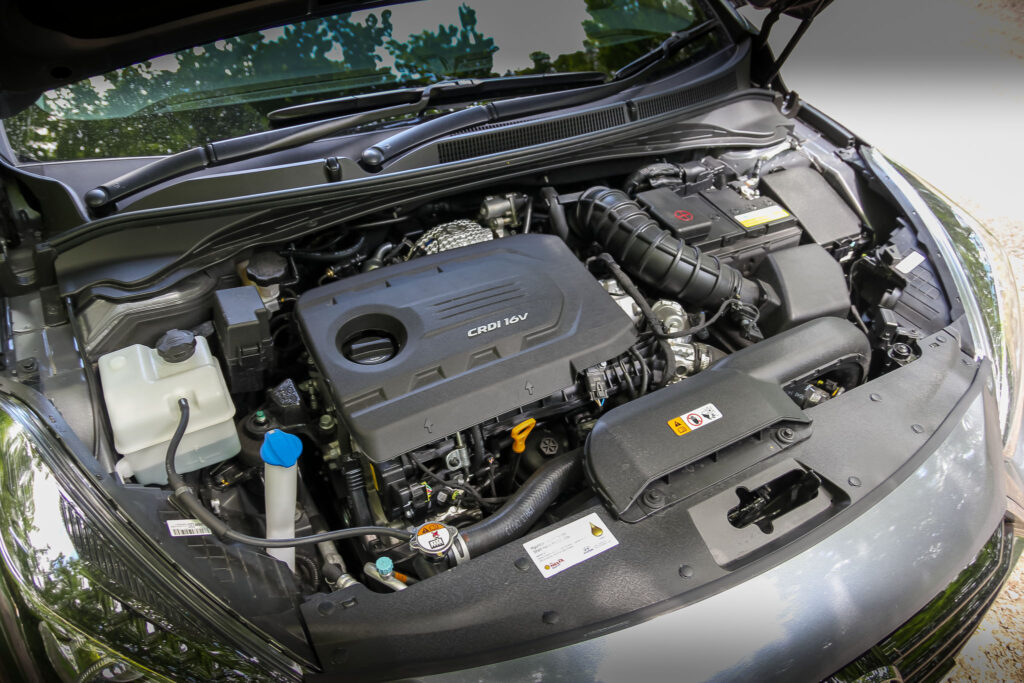
A parasitic drain occurs when electrical components continue to use power even after the car is turned off. While a small amount of power usage is normal, a faulty system can draw excessive power and drain the battery quickly.
This issue is more common in modern vehicles that have multiple electronic features. Accessories like dash cams, aftermarket audio systems, or faulty switches can cause this problem. If your battery dies overnight without any clear reason, a parasitic drain could be the cause. A professional inspection is usually required to identify and fix it.
Vehicle Sitting Idle for Too Long
Car batteries need regular use to stay in good condition. When a vehicle is left unused for long periods, the battery naturally loses its charge. At the same time, small electrical systems in the car continue to draw power, which speeds up the discharge.
If you do not drive often, this can quickly lead to a dead battery. Starting your car and driving it for at least 20 minutes each week helps keep the battery charged. In cases where the car has already stopped starting, services like Rapid Jump Start can provide quick assistance and get you moving again without delay.
Old Battery
Like all components, a car battery has a limited lifespan. Most batteries last between three to five years. As they age, their ability to hold a charge decreases. This makes them more likely to fail, especially during extreme weather conditions.
An old battery may give some warning signs, such as slow engine cranking or dim lights, but sometimes it can stop working suddenly. Keeping track of your battery’s age and replacing it at the right time can help you avoid unexpected breakdowns.
Internal Battery Damage
In some cases, the battery may fail due to internal defects. These issues can be related to manufacturing faults or internal damage that develops over time. Such problems are not always visible, which makes them difficult to detect early.
A damaged battery may swell, leak, or produce a strong smell. If you notice any of these signs, it is important to replace the battery immediately. Even a new battery can fail if it has an internal defect, so checking the warranty is always a good idea.
Excessive Use of Electronics When Engine Is Off
Using your car’s electronics while the engine is off can drain the battery quickly. This includes listening to music, charging devices, or using interior lights for long periods. Without the engine running, there is no charging system to replace the lost power.
If this happens frequently, the battery becomes weak and may fail when you try to start the car. It is always better to limit the use of electronics when the engine is off or start the engine occasionally to recharge the battery.
Conclusion
A car battery can fail for many reasons, but most of them are preventable. Simple habits like checking your lights, driving regularly, and maintaining your battery can make a big difference. Understanding how your battery works and what affects it will help you avoid sudden problems.
However, even with proper care, unexpected situations can still happen. If you ever find yourself stuck with a dead battery, getting fast and reliable help is important. You can always count on Rapid Jump Start for quick support and professional service when you need it most.