














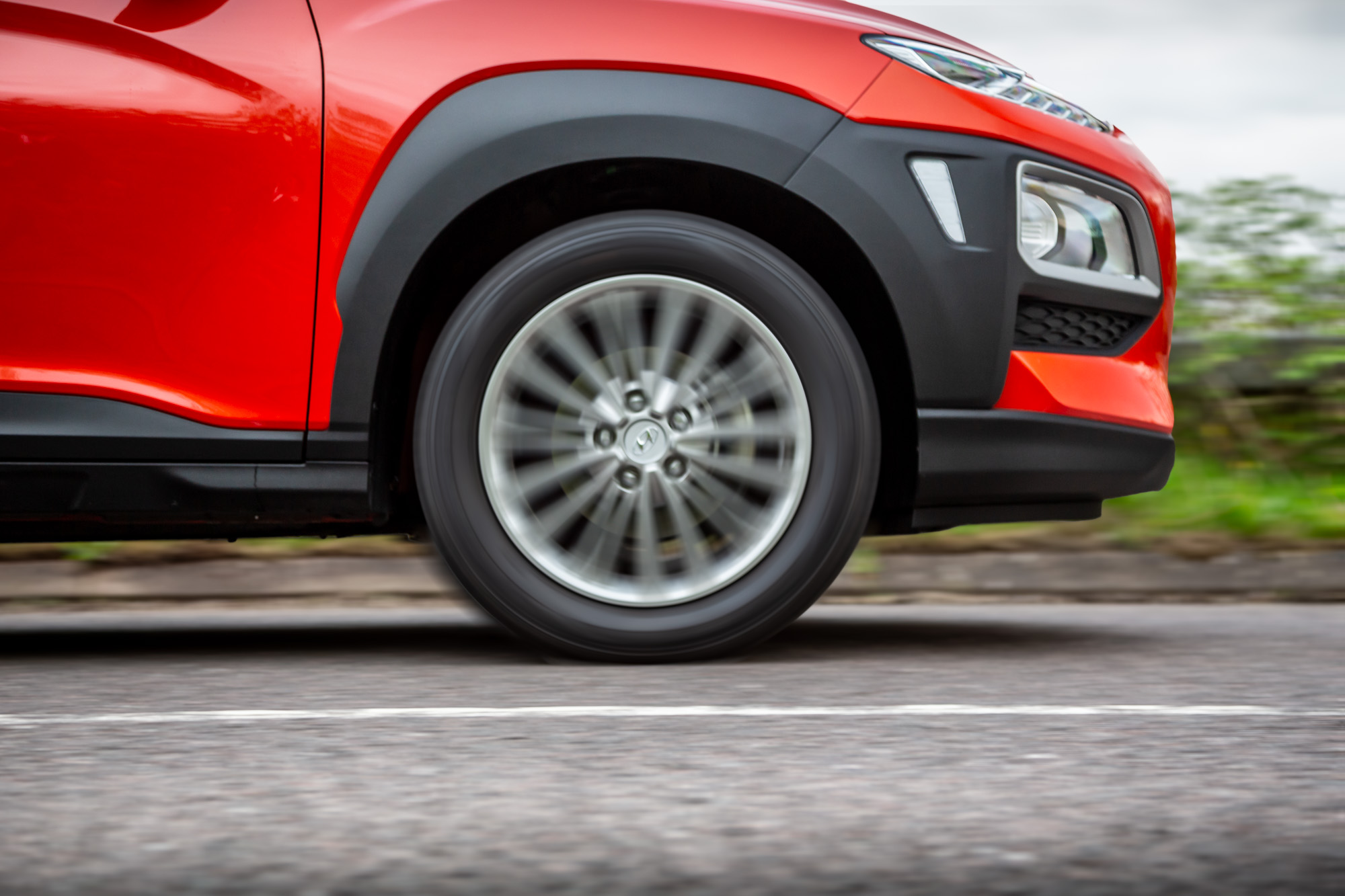
Tyre problems are one of the most common causes of roadside breakdowns across the UK, often occurring when drivers least expect them. Services like Mobile tyre fitting Northampton have become increasingly popular as motorists look for faster solutions when unexpected tyre issues occur. However, many breakdowns can be avoided entirely with proper tyre maintenance and regular inspections. Taking a few simple preventative steps can significantly improve road safety, extend tyre lifespan, and help drivers avoid costly emergencies.
Regularly Check Tyre Pressure
Maintaining the correct tyre pressure is one of the easiest yet most important steps in preventing tyre damage. Underinflated tyres create more friction with the road surface, which increases wear and can lead to overheating or blowouts. Overinflated tyres, on the other hand, reduce grip and can cause uneven wear patterns.
Drivers should check tyre pressure at least once a month and before long journeys. Most vehicles display the recommended pressure levels inside the driver’s door frame or in the vehicle manual.
Monitor Tread Depth
Tyre tread plays a critical role in maintaining traction, particularly during wet weather. In the UK, the legal minimum tread depth is 1.6mm, but safety experts recommend replacing tyres once they reach 3mm to maintain optimal grip.
A simple way to check tread depth is the “20p coin test.” Insert a 20p coin into the tyre groove—if the outer band of the coin is visible, it may be time to consider replacing the tyre.
Inspect Tyres for Damage
Small cuts, punctures, or bulges can quickly develop into serious problems if left unchecked. Drivers should visually inspect tyres regularly, especially after hitting potholes or curbs.
Bulges in the tyre wall are particularly dangerous, as they often indicate internal structural damage. If any abnormalities are detected, it is best to have the tyre checked by a professional before continuing to drive long distances.

Rotate Tyres for Even Wear
Front tyres tend to wear faster than rear tyres due to steering and braking forces. Rotating tyres every 5,000 to 8,000 miles helps distribute wear more evenly, improving performance and extending the lifespan of the tyre set.
Even tyre wear not only improves driving stability but also ensures better fuel efficiency and smoother handling.
Avoid Overloading Your Vehicle
Excess weight puts additional pressure on tyres and can accelerate wear or cause sudden failure. Always follow the vehicle’s recommended load capacity, particularly when transporting heavy luggage or equipment.
Proper weight distribution also helps maintain balance and improves overall vehicle control on the road.
Prepare for Seasonal Changes
Weather conditions in the UK can change rapidly, especially during winter months. Cold temperatures can reduce tyre pressure and affect rubber flexibility. Drivers should check tyre condition more frequently during colder seasons and ensure tyres are suitable for wet or icy roads.
Proactive maintenance during seasonal transitions can significantly reduce the likelihood of breakdowns during long journeys.
The Role of Professional Support
While regular inspections can prevent many tyre issues, professional assistance is sometimes necessary. Services such as Tyresflow provide convenient support for motorists who need quick tyre replacement or emergency assistance without visiting a traditional garage.
By combining preventative maintenance with reliable professional help, drivers can minimise the risk of unexpected tyre failures and stay safer on the road.