











Cars are remarkably good at giving warnings before something goes seriously wrong. The challenge is that many drivers ignore those warnings until their vehicle begins sounding like a medieval siege engine collapsing into a pothole. A strange noise becomes “probably nothing.” A blinking light becomes “future me’s problem.” A tiny fluid leak becomes an oil-slick reenactment of an environmental disaster in the driveway.
The reality is that most major vehicle repairs begin as smaller, more manageable problems. Learning to recognize common warning signs early can help prevent expensive repairs, improve safety, and extend the life of your vehicle.
Whether you drive daily for work, weekend travel, or occasional errands, paying attention to your car’s behavior can save time, money, and frustration. Here are some of the most important warning signs your vehicle should never ignore.
Dashboard Warning Lights
Modern vehicles are equipped with sensors designed to alert drivers when something needs attention. While not every dashboard light signals immediate disaster, none should be ignored indefinitely.
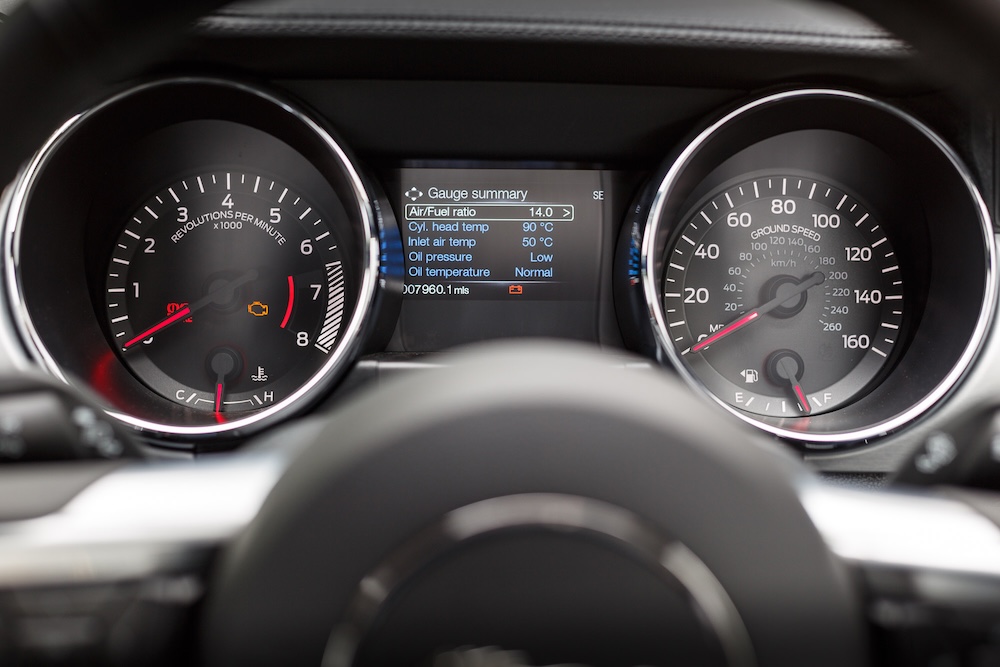
Check Engine Light
The check engine light is one of the most common warning indicators. It can appear for something relatively minor, such as a loose gas cap, or for more serious issues involving the engine, emissions system, or ignition components.
If the light remains steady, the issue may not be urgent, but it should still be inspected soon.
If the check engine light flashes, that usually indicates a more serious problem that could damage the engine or catalytic converter. In that case, reducing driving and seeking service quickly is important.
Oil Pressure Warning Light
This light can indicate dangerously low oil pressure or insufficient oil levels.
Driving with low oil pressure can rapidly damage internal engine components. If this light appears, it is wise to stop driving as soon as safely possible and investigate.
Battery Warning Light
A battery warning light may indicate problems with the charging system, alternator, or battery itself.
Ignoring this warning could eventually leave the vehicle unable to start or cause electrical systems to fail while driving.
Temperature Warning Light
An overheating engine can lead to severe and expensive damage.
If your temperature warning light comes on or the gauge climbs unusually high, pull over safely and allow the engine to cool before continuing.
Ignoring overheating problems can transform a relatively simple repair into an engine catastrophe with financial consequences dramatic enough to qualify for its own soundtrack.
Unusual Noises
Vehicles naturally make sounds, but sudden or unfamiliar noises are often early warning signs of trouble.
Squealing Brakes
High-pitched squealing when braking usually indicates worn brake pads.
Brake pads are designed with wear indicators that create noise intentionally when replacement is needed. Ignoring the sound too long can damage rotors and increase repair costs.
Grinding Sounds
Grinding noises often indicate metal-on-metal contact, especially within the braking system.
This may mean brake pads are completely worn out. Grinding can also come from wheel bearings or transmission problems.
Knocking or Pinging From the Engine
Knocking sounds from the engine can result from improper combustion, low-quality fuel, ignition problems, or internal engine wear.
Persistent engine knocking should never be ignored.
Clunking During Turns or Over Bumps
Clunking sounds may point to suspension problems, worn joints, or damaged steering components.
These issues can affect vehicle handling and safety over time.
If your car sounds like someone shaking a toolbox down a staircase every time you hit a speed bump, it is probably requesting professional attention.
Fluid Leaks Under the Vehicle
Vehicles rely on multiple fluids to operate correctly. Any visible leak deserves investigation.
Different fluids often have distinct colors and textures.
Engine Oil
Oil leaks usually appear dark brown or black.
Small leaks can gradually become major problems if oil levels drop too low.
Coolant
Coolant is often green, orange, pink, or yellow depending on the formulation.
Coolant leaks can lead to overheating and engine damage.
Transmission Fluid
Transmission fluid is commonly reddish or reddish-brown.
Leaks involving transmission fluid should be addressed quickly because low fluid levels can severely damage the transmission.
Brake Fluid
Brake fluid leaks are particularly serious because they can reduce braking performance and compromise safety.
Even small puddles or drips should not be ignored.
Smoke From the Vehicle
Smoke coming from a vehicle is rarely a good sign.
Different smoke colors can indicate different problems.
White Smoke
Thin white vapor from the exhaust during cold weather may simply be condensation.
However, thick white smoke could indicate coolant entering the combustion chamber, often due to a blown head gasket.
Blue Smoke
Blue smoke typically indicates oil burning inside the engine.
This may result from worn piston rings, valve seals, or other internal engine issues.
Black Smoke
Black smoke usually signals excessive fuel consumption or an overly rich fuel mixture.
Fuel system problems can reduce efficiency and increase emissions.
Smoke From Under the Hood
Smoke from beneath the hood may indicate overheating fluids, electrical issues, or leaking oil contacting hot engine surfaces.
Any smoke accompanied by burning smells should be taken seriously.
Changes in Vehicle Handling
Your car should feel predictable and stable during normal driving.
Sudden changes in handling often point to mechanical problems.
Pulling to One Side
If the vehicle pulls left or right while driving or braking, possible causes include:
- Alignment problems
- Uneven tire pressure
- Suspension issues
- Brake problems
Ignoring alignment or suspension problems can accelerate tire wear and reduce control.
Steering Wheel Vibrations
Vibrations while driving may indicate:
- Tire imbalance
- Uneven tire wear
- Suspension problems
- Brake rotor issues
Persistent vibrations should be inspected before they worsen.
Loose or Difficult Steering
Steering that feels unusually loose, stiff, or inconsistent may indicate power steering issues or worn steering components.
Loss of steering responsiveness can become dangerous quickly.
Poor Fuel Efficiency
A noticeable drop in fuel economy may signal underlying problems.
Possible causes include:
- Dirty air filters
- Tire pressure issues
- Faulty oxygen sensors
- Fuel injector problems
- Ignition issues
While rising fuel costs can make every gas station visit feel like entering a luxury boutique, sudden mileage changes often indicate maintenance needs rather than fuel prices alone.
Difficulty Starting the Vehicle
Vehicles that hesitate, crank slowly, or struggle to start may have issues involving:
- The battery
- Alternator
- Starter motor
- Fuel system
- Ignition system
Cold weather can worsen existing battery problems, but repeated starting difficulties should not be ignored regardless of season.
Early diagnosis can prevent complete breakdowns later.
Burning Smells
Unusual odors are often important warning signs.
Burning Oil Smell
A burning oil smell may indicate leaking oil contacting hot engine parts.
This should be inspected promptly to reduce fire risk and engine damage.
Sweet Smell
A sweet smell often points to leaking coolant.
Coolant leaks can eventually lead to overheating.
Burning Rubber Smell
This may indicate slipping belts, overheating tires, or mechanical friction.
Electrical Burning Smell
A sharp electrical odor may signal wiring problems or overheating electrical components.
Electrical issues should always be treated seriously.
Excessive Exhaust or Emissions
Changes in exhaust behavior may indicate engine or emissions system problems.
Signs to watch for include:
- Strong fuel smells
- Excessively loud exhaust
- Visible smoke
- Reduced performance
Exhaust leaks can sometimes allow dangerous gases into the cabin area, making prompt repair important for both safety and comfort.
Transmission Problems
Transmission issues can become extremely expensive if ignored.
Common warning signs include:
- Delayed shifting
- Hard shifting
- Slipping gears
- Unusual noises
- Burning smells
- Fluid leaks
Modern transmissions are complex systems that benefit greatly from early maintenance and prompt attention to problems.
Worn or Uneven Tires
Tires provide the vehicle’s only direct contact with the road.
Signs of tire problems include:
- Uneven tread wear
- Cracks or bulges
- Persistent low pressure
- Vibrations
- Poor traction
Damaged or worn tires can increase stopping distances and reduce control during bad weather.
Ignoring tire issues may eventually lead to blowouts or loss of traction.
Brake Performance Changes
Brakes are one of the most important safety systems in any vehicle.
Warning signs include:
- Longer stopping distances
- Soft brake pedal feel
- Vibrations while braking
- Grinding or squealing
- Brake warning lights
Brake problems rarely improve on their own. Prompt inspection can help prevent accidents and reduce repair costs.
Trust Your Instincts
Many drivers notice when something feels “off” before obvious symptoms appear.
Changes in sound, performance, vibration, fuel economy, or handling often provide early clues that something requires attention.
If your vehicle suddenly behaves differently, it is usually worth investigating.
Cars tend to whisper before they scream.
Final Thoughts
Ignoring warning signs can turn relatively small issues into expensive repairs and dangerous driving situations. Fortunately, many problems provide early symptoms long before catastrophic failure occurs.
Paying attention to warning lights, strange noises, leaks, smells, and handling changes can help keep your vehicle safer, more reliable, and less expensive to maintain.
Routine maintenance and early repairs often cost far less than waiting until something breaks completely. A little attention today can prevent major headaches tomorrow.
Your vehicle works hard year-round through heat, cold, traffic, storms, rough roads, and endless stoplights. Listening when it asks for help is one of the smartest things any driver can do.
Article by Dreamstime